Merlijn - 11 / Sep / 2026
Plastic-Free School Lunch: What You Really Need
In a plastic lunchbox there's often more plastic than you'd think. When it comes into contact with food, tiny substances can end up in your food from the plastic, especially with heat or wear. In this blog we explain what BPA, phthalates and microplastics actually are. You'll also discover the plastic-free essentials for after the summer, which handy extras are worth having, and how to keep your things looking good for years.
Why is plastic in a lunchbox actually a problem?
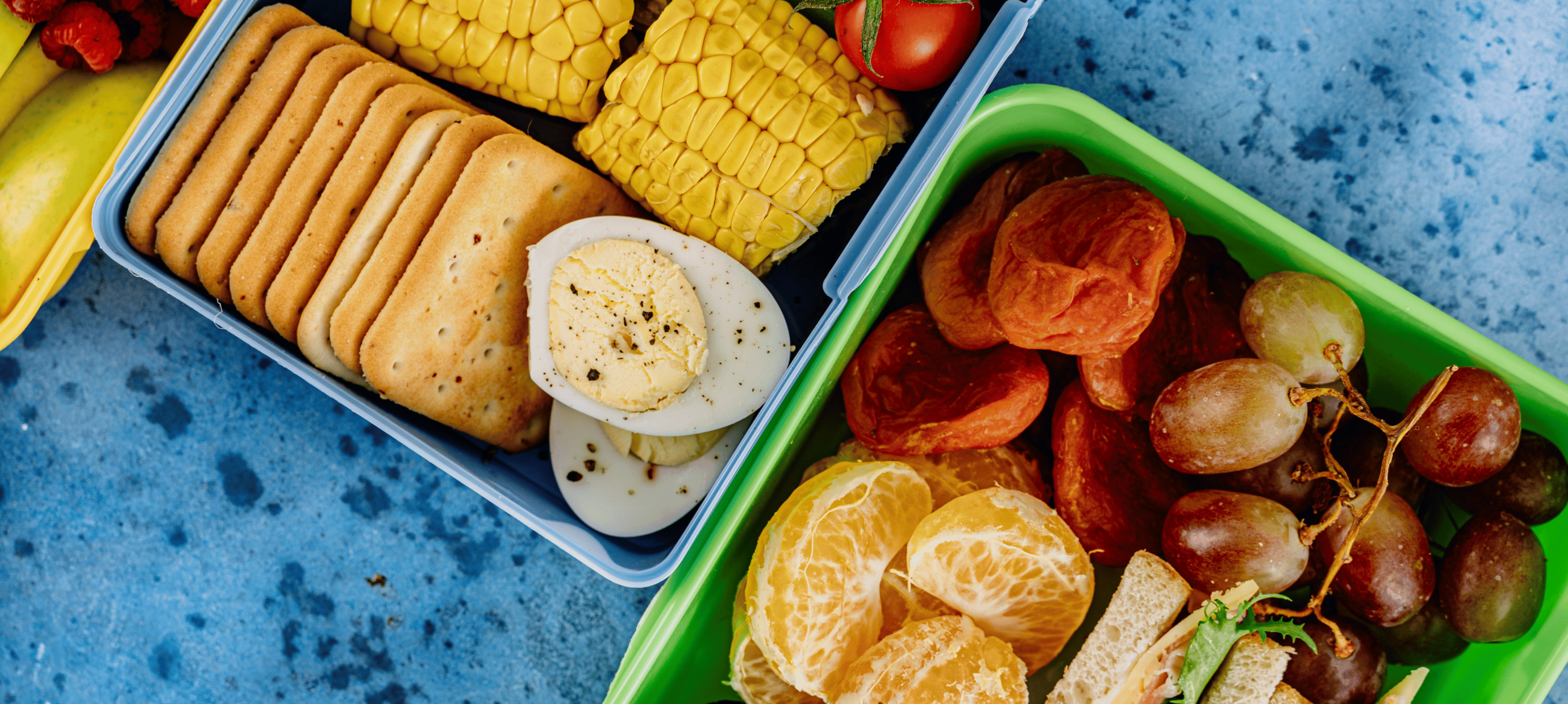
A plastic lunchbox seems harmless. You might even be used to it. In the morning you put a sandwich in it, and in the afternoon it goes in the dishwasher. It keeps everything inside, so nothing leaks. Really handy, right? And you probably grew up quite accustomed to this picture.
Yet there's more behind that familiar plastic lunchbox than you'd think. That's mainly down to what plastic does when it comes into contact with food. Plastic isn't as stable as it seems: tiny substances slowly migrate out of the plastic and can end up in your food this way. This is called 'leaching'.
The longer you use a plastic product, the higher the risk of leaching becomes. Plastic can wear down, which makes the surface rougher and allows more substances to be released. That's also why you shouldn't put plastic in the dishwasher or heat it, for example.
Consider a lunchbox made of bioplastics instead, without harmful substances: the Bioloco lunchbox.

BPA, phthalates, microplastics — what are they all?
BPA (bisphenol A) is the substance that makes plastic so hard and shatterproof. For a long time, manufacturers used it in large quantities in the production of various types of plastic. Only later did research reveal that it's harmful if it enters your body in excessive amounts. BPA can end up in your food via food packaging. Exactly how much ends up in your food depends on many different factors. If you heat a lunchbox, for instance, you run the risk of more BPA in your food.
With plastic, phthalates do the opposite of BPA: they actually make plastic soft and flexible. So it's found in things like plastic film or flexible plastic packaging. At high temperatures and with fatty and acidic products, there's a higher chance of phthalates ending up in your food. BPA and phthalates are seen as 'endocrine disrupting'. That's why their presence in products is limited by strict European Union rules.
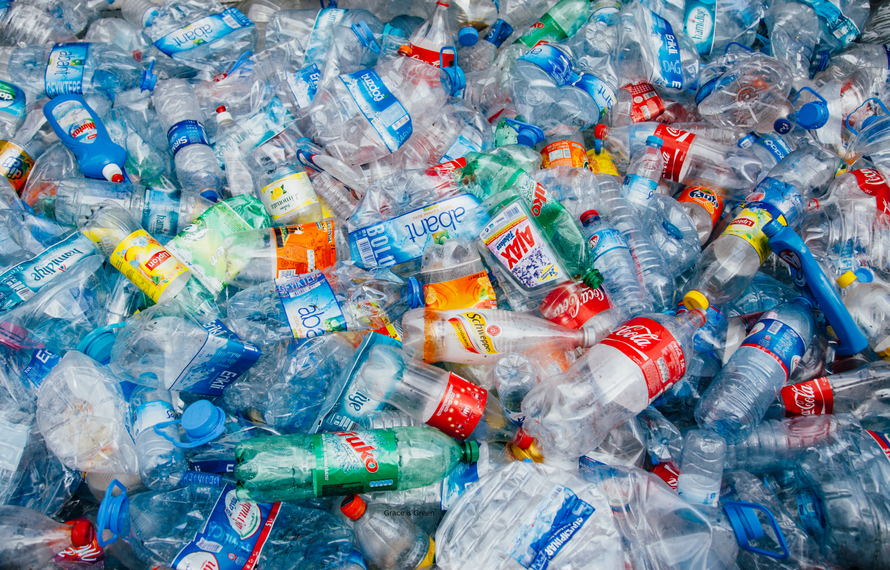
Finally: microplastics. These are the result of wear, scratches or breaks. Microplastics are plastic particles smaller than five millimetres. They've now been found in the most varied places in the human body, and plenty of research is being done into what they actually do there.
Essential tips for a plastic-free lunch
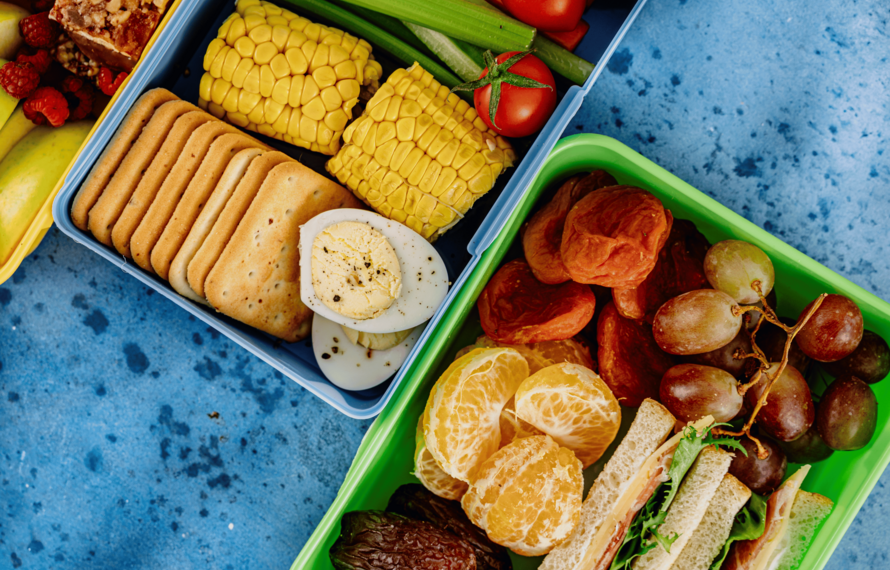
A lunchbox and something to drink from are essential back-to-school items. For the bread, the Boc'n Roll by Roll'Eat is an easy choice. You fold your sandwiches into it, close it with the velcro, and after lunch it doubles as a placemat. It's BPA-free, you simply wash it at 60°C, and it lasts for years.
Would you rather have the feel of a real box? Then it's better to choose one made of a material that doesn't leach. A stainless steel lunchbox can be a solution here: it releases no harmful substances into your food and can often just go in the dishwasher.
For your drink, the same principle applies: a reusable stainless steel bottle not only releases no harmful substances, but also lasts much longer.
And what's nice-to-have?
Got the basics sorted? Then there are always extras that make your lunch handier, nicer or more sustainable. Think of a separate snack wrap for little treats: the Snack'n Go from Roll'Eat is a smaller version of the foodwrap mentioned earlier. Just right for nuts, vegetables or biscuits, for example. Or do you want to bring something you've cooked? Then take a look at the bamboo cutlery from Pandoo.
How do you make sure your things really last?
Plastic-free lunch gear is an investment that pays off. Want to get even more out of it and do something extra good for the environment? Then we've got a few more tips to make your things last longer. For the foodwraps: shake out the crumbs, wipe them clean after use, and pop them in the wash regularly.
Stainless steel asks for little, but does need suitable care. Only put it in the dishwasher if the packaging says so. Avoid steel wool or abrasive cleaner, because that causes unnecessary scratches, which can make the material wear over time.
And some final tips: store your things smartly. A water bottle stays free of musty smells if you let it dry open. And your Boc'n Roll? Fold it up compactly before you tuck it away somewhere. That way it stays flexible for a long time!

Shop your plastic-free back-to-school essentials now
A new school year is the perfect moment to say goodbye to those plastic lunchboxes, bags and aluminium foil. That doesn't have to be complicated or expensive at all. With a good foundation you can even save money in the long run, because you throw away a lot less. These are things that last for years, carry less risk of BPA, phthalates and microplastics, and are kinder to our planet.
Take a look at all our products for on the go here.
Sources: RIVM, OAE Publishing, Voedingscentrum, waatzitwatin.nl, VRT