Merlijn - 15 / May / 2026
Skin allergy: what is it, how do you recognize it, and how do you choose products that are safe?
Maybe you recognise this: you've just picked up a new skincare product from the drugstore and use it faithfully morning and evening. Yet nothing changes about your dry skin. Or worse: it becomes even drier and your skin gets irritated after using your new ointment, cream, or lotion.
We understand that you're slowly becoming a little uncertain about all those chemical alternatives on the market. Endless ingredient lists and countless 'natural' products can sometimes be very confusing. But don't worry: skin allergies and irritations are very common. With the right knowledge and products, you can manage them well.
What is a skin allergy?
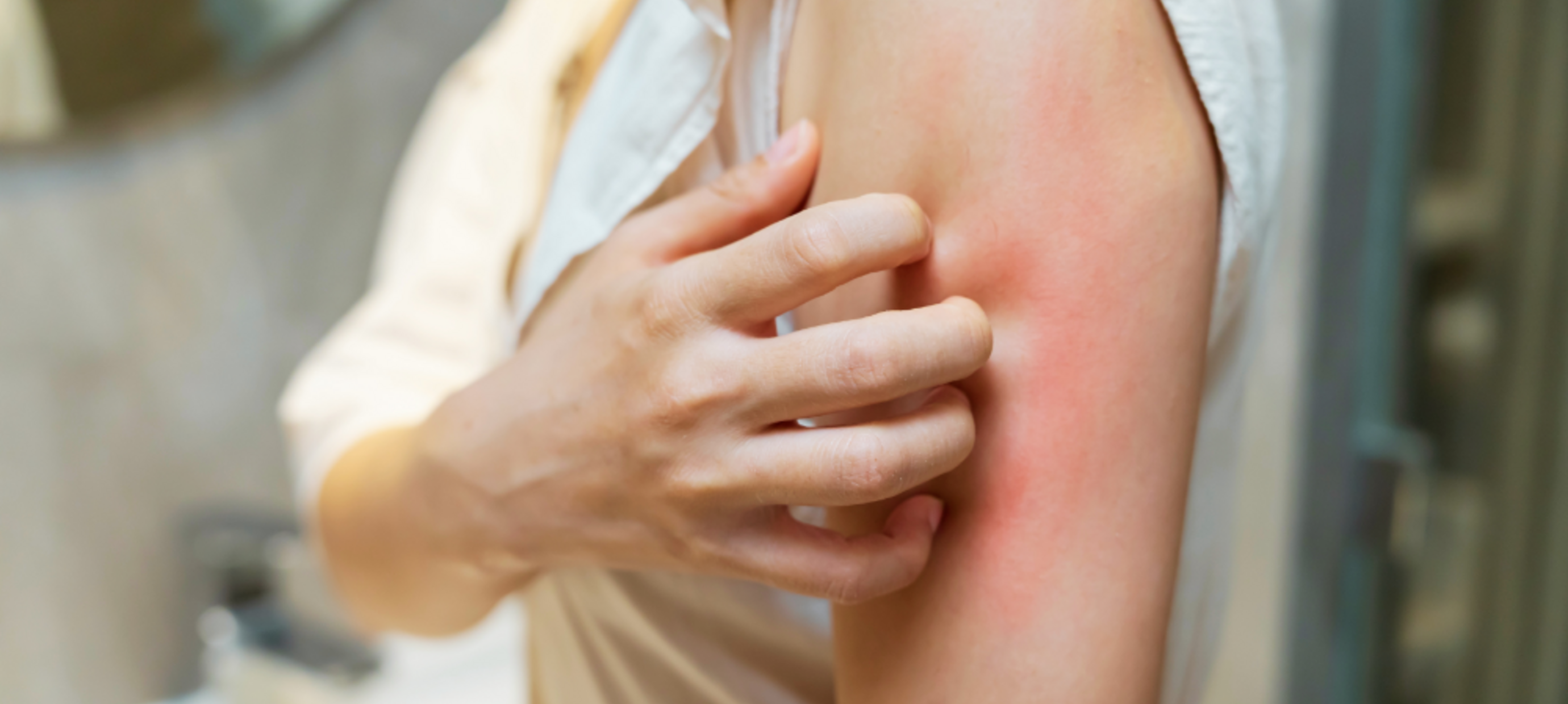
Did you recognise the situation from the introduction? Then you may well have experienced an irritation reaction. Your skin becomes directly irritated by a substance without your immune system really getting involved. This can be very unpleasant and occur frequently, such as when using products containing alcohol or fragrance.
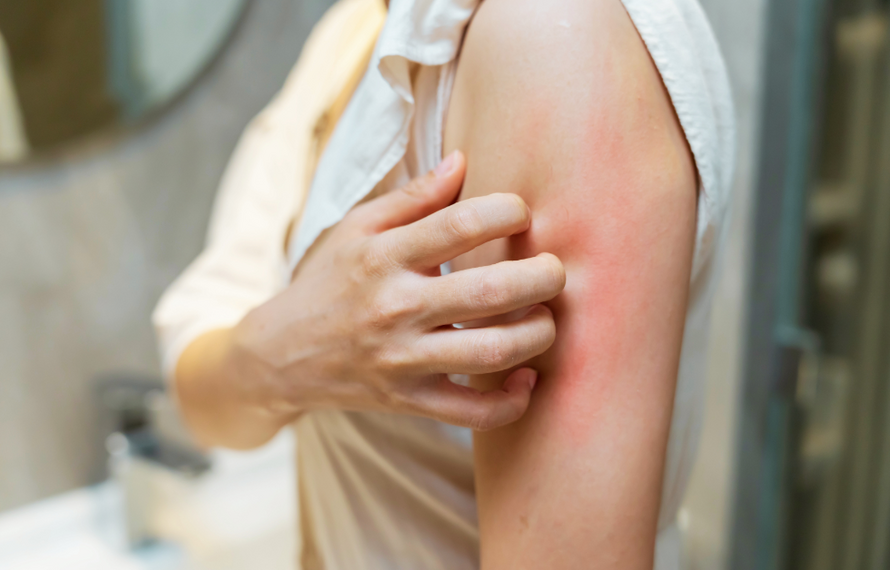
With a skin allergy, your body reacts slightly differently than with an irritation reaction. Your immune system does get involved. It looks like an innocent substance, but causes itching, redness, or blisters. This is called contact allergy and is more common than you think: in Europe, as many as 1 in 4 people are affected.
Then there is also eczema. This is a chronic skin condition in which the skin is more sensitive and drier than usual. It occurs mainly in young people: around 20% of children develop it. Although it is not a classic allergy, allergens can make it worse.
Want more information? Read more about contact allergies and irritations at Allergie Centra Nederland.
Skin allergy in babies: nappy rash as an example
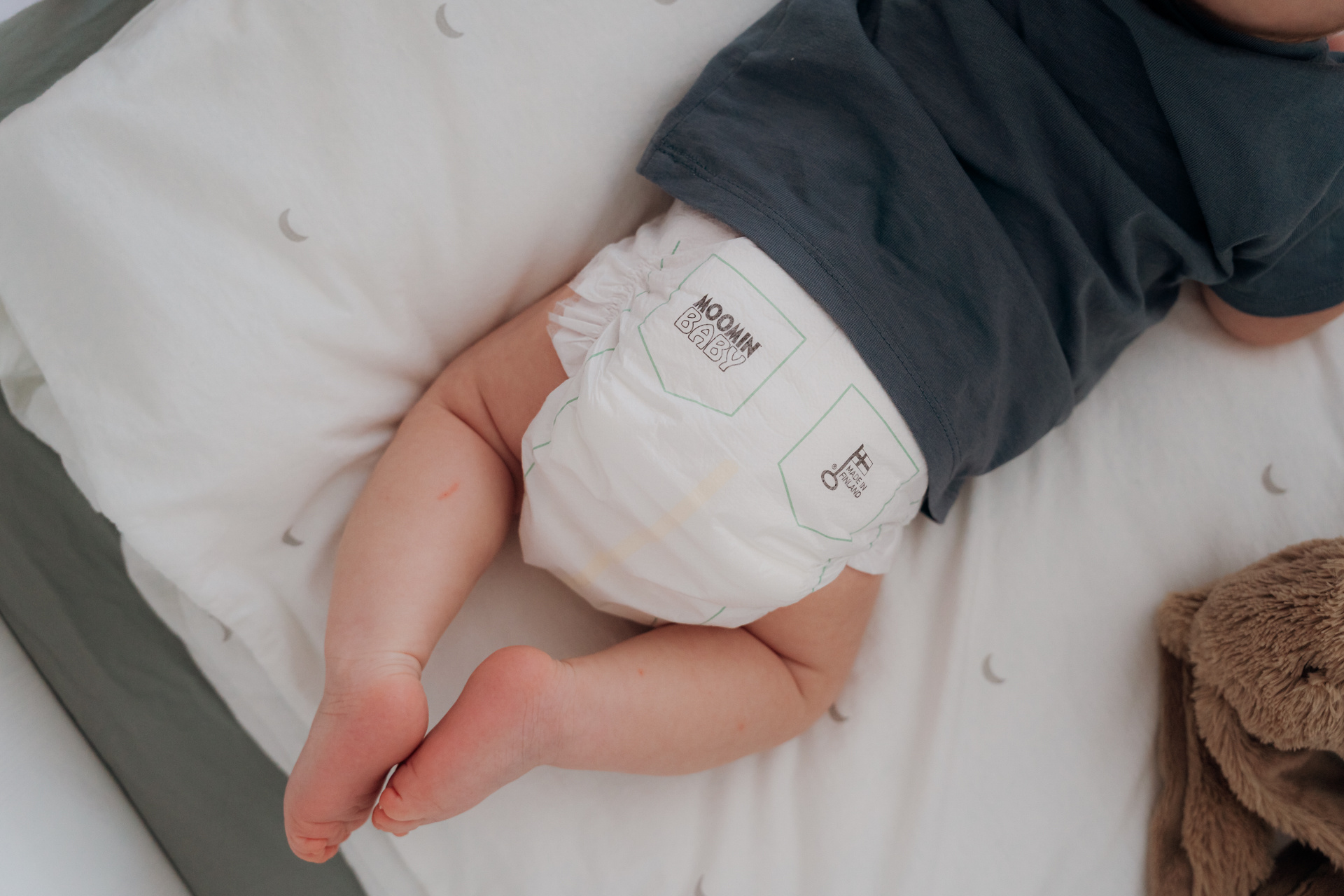
In babies, irritation manifests quickly. This is because their skin is thinner and more sensitive, meaning reactions occur faster and are more visible. Think of the well-known red bottom. Although this is relatively common, it is wise to keep a close eye on it. After all, it could well be that you're dealing with fungal diaper rash.
The fine line between a red bottom and fungal diaper rash illustrates well that a skin reaction is not always 'just an irritation'. Fungal diaper rash is not an allergy, but it is an infection; if left untreated, it can quickly become a lot worse.
That is precisely why it is important to choose mild products for babies: without fragrance, chlorine, or artificial lotions. The skin is flexible and soft, but therefore also extra vulnerable. It reacts more intensely to such substances and a red bottom can quickly develop and worsen. Choosing the right product can therefore truly make a difference.
Discover our range of natural baby care.
The 3 most common allergens in skincare products
You choose consciously. You read labels, seek out the natural brands. You avoid as much junk as possible. But your skin still reacts to your skincare products. How is that possible? It has to do with specific materials that appear even in seemingly innocent — or even "green" — products. Below you'll find the most common culprits. So you'll know exactly what to look out for next time.
Fragrance
By far the most common cause of contact allergies is regular exposure to fragrance. This is not a single substance, but an umbrella term for dozens of different chemical compounds. Both synthetic fragrances and natural scent components can trigger a reaction. When you see words like 'parfum' or 'fragrance', you know: this is a risk factor.
PPD
Don't be alarmed: para-phenylenediamine (PPD) sounds more innocent than the name suggests. But for your skin, this substance still poses a significant risk. It is commonly found in hair dye, but sometimes also in dark textile dyes. PPD allergy is less relevant for your daily skincare, but certainly worth knowing about.
Nickel
Nickel is found mainly in metal, think jewellery, buckles, or zips, and sometimes in pigments in make-up. Nickel allergy is one of the most commonly diagnosed contact allergies worldwide and is relatively prevalent in women. The reactions are very unpleasant: redness, itching, or small blisters.
Other substances
In addition to fragrance, PPD, and nickel, there are many other substances that can trigger a contact allergy in you. These include preservatives, certain substances in cleaning products, and parabens.
"Natural" is not the same as "allergy-friendly"
You choose a product labelled 'natural', 'organic', or 'pure'. Understandable: who wouldn't prefer something without chemical junk? But this label unfortunately says little about the allergy risk. Why not?
Natural ingredients are better for the environment, but can also contain powerful allergens. Essential oils such as lavender oil, rosemary, or tea tree contain scent molecules that can cause an allergic reaction.
That certainly does not mean you should avoid all natural products. It does mean you need to look beyond the titles and labels on the front of the packaging. For the sensitive skin of your baby or yourself, choose products that have been independently tested and certified, for example with the AllergyCertified quality mark.
Read our blog about our favourite AllergyCertified products.
What is AllergyCertified?
You're seeing this logo more and more often on skincare products: the blue-and-white quality mark of AllergyCertified. But what exactly does it mean, and why is it different from other claims?
AllergyCertified is a Danish quality mark that helps consumers reduce the risk of skin allergies. Every certified product is assessed by independent toxicologists who analyse the ingredients and their concentrations for safety and allergy risk.
In Europe, 1 in 4 people now has a contact allergy and around 20% of children suffer from eczema. At the same time, most people are not aware of which ingredients cause these reactions. AllergyCertified makes that search considerably easier. They decipher the ingredient list for you.
The idea behind the quality mark is simple: make skin-friendly choices easier, especially if you have sensitive skin or opt for gentle, natural care without unnecessarily irritating substances.
Want to check ingredients yourself? On the AllergyCertified website you'll find a handy ingredient index.
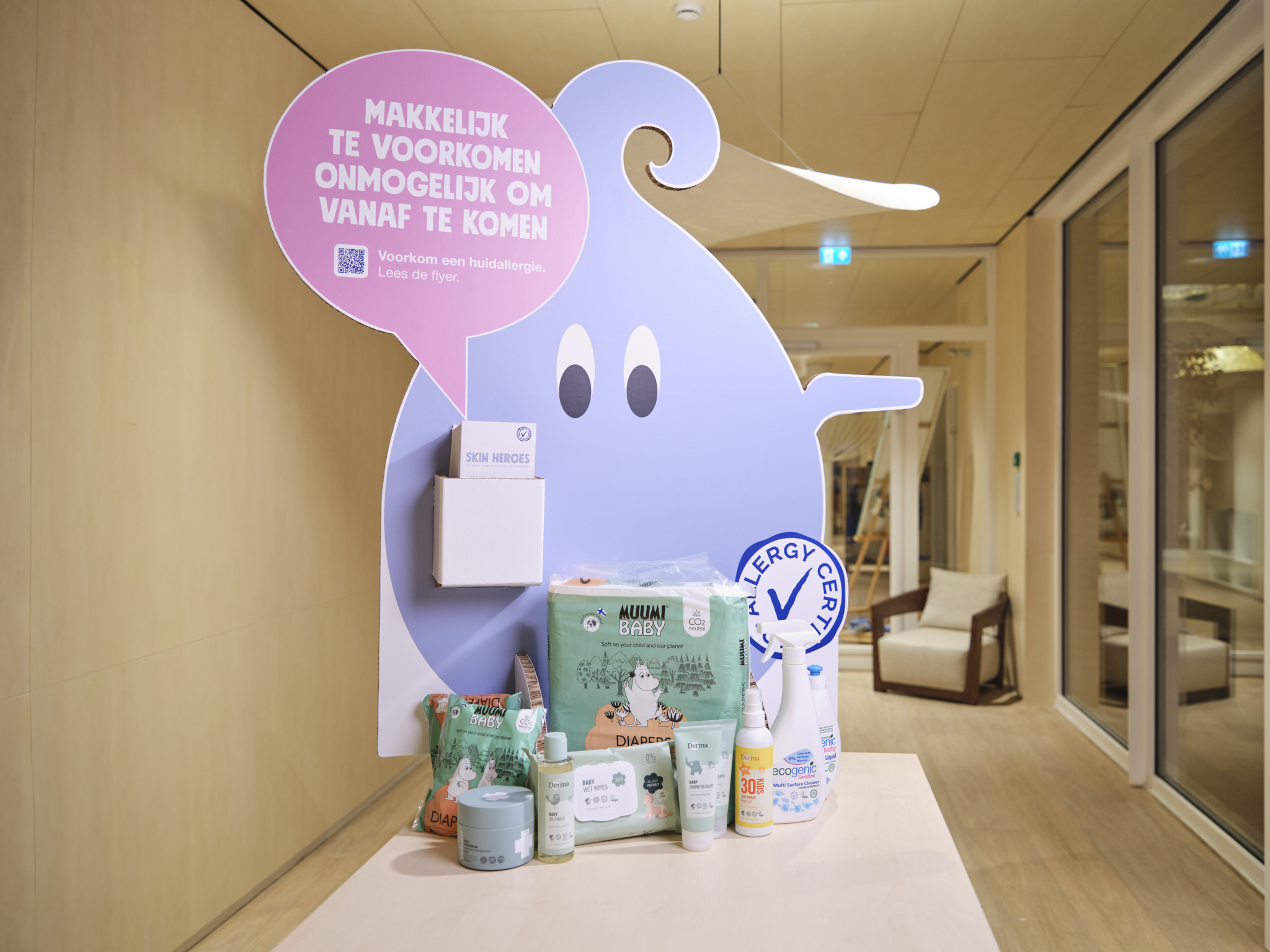
Eco labels at Grace is Green: more than just green
At Grace is Green, we only work with products that are demonstrably safe and responsible. Multiple independent quality marks help us with this. Here is a selection of the labels relevant for sensitive skin:
| Ecolabel | Goal |
|---|---|
| Asthma Allergy Nordic | Scandinavian quality mark for people with asthma or allergies. Tests for substances that trigger reactions. |
| Asthma & Allergy Finland | Similar to Asthma Allergy Nordic, with extra focus on children's products and everyday environments. |
| Totally Chlorine Free | No chlorine bleaching agents in products such as nappies or sanitary towels. |
| AllergyCertified | Assesses products with independent toxicologists for allergy risk. |
View all information about our labels here.
How to choose wisely: practical tips
AllergyCertified shares a clear 3-step rule:
- Don't use too many products on the skin of babies and children;
- Check ingredient lists via the Ingredient Index;
- Look for the AllergyCertified logo on the packaging. Or another reliable and independent quality mark.
Also avoid switching products too quickly. Sensitive skin needs rest. Always test new products on a small area of skin first and wait before using them more broadly.
Finally, a very practical tip: always choose unscented variants as standard — even if they smell less pleasant. And when it comes to nappies, choose options without chlorine or lotion. This is gentler on baby skin. Take a look, for example, at the Moomin Baby nappies: specially developed for sensitive skin.
Products we recommend
When in doubt: choose products that have been independently tested. These are our favourites for sensitive skin.
Derma Eco Baby
Extra mild for the vulnerable baby skin, fragrance-free and AllergyCertified. The bottom ointment and the starter pack are firm favourites with parents of babies with sensitive or dry skin.
DermaKnowlogy
We added this Danish specialist skincare brand to our range not too long ago. It offers solutions for very sensitive skin, with varying levels of nourishing ingredients. Take, for example, the MD11 Body Cream, an excellent body cream for dry skin.
Byoms
One final tip that's a little out of the box: Byoms offers probiotic cleaning products. These 'good bacteria' tackle every bit of dirt and every stain in your laundry. Incredibly effective and also extremely sustainable. Find out more by reading our recent blog about probiotics.
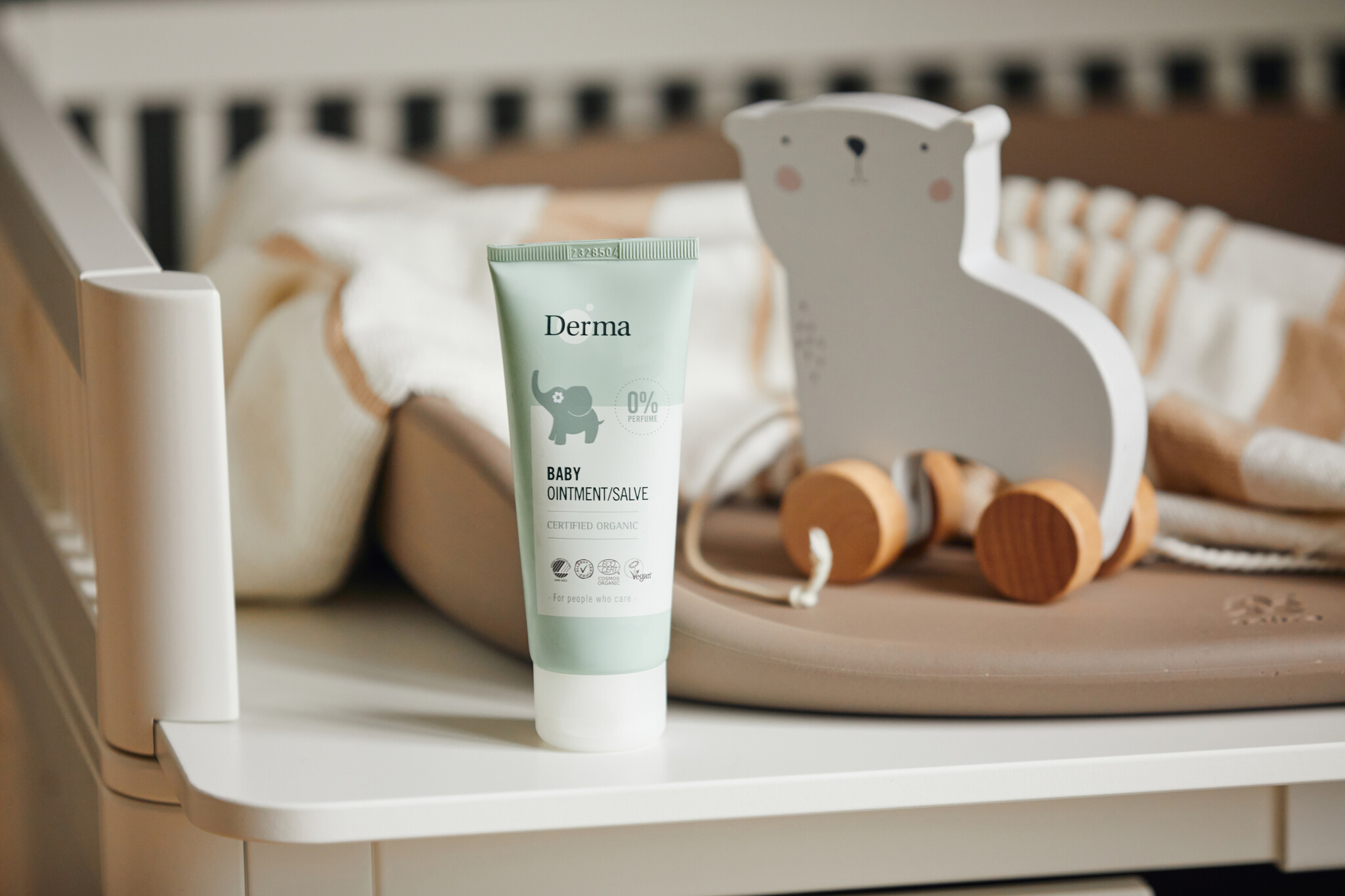
Making conscious choices starts here
Skin allergies are incredibly common. But with the right knowledge about allergens, quality marks, and products, you can avoid a great many irritations. For yourself and for the sensitive skin of your children.
It starts with small steps: fewer products, reading labels more consciously, and choosing independently certified brands.
Ready to shop without worry? View all AllergyCertified products at Grace is Green and discover what works for your skin. View all AllergyCertified products here.