Merlijn - 22 / May / 2026
Ecolabels explained: how to know if you can really trust them?
It's often difficult to assess which green 'eco' label actually guarantees sustainability or ethical production. In this blog, we outline some of the most important eco labels and highlight a few pitfalls when choosing sustainable products.
That way, you'll know how to make a genuinely green choice — whether you're shopping online or standing in the aisle.
Natural, eco, clean, green and pure: what do they actually mean?
Terms like natural, eco, clean, green and pure instantly give a good feeling. But what do they mean in practice?
The short answer: often surprisingly little. As many as 53% of 'green' claims made by products or brands provide vague, misleading, or unsubstantiated information. Meanwhile, 40% of claims have no supporting evidence whatsoever. One more striking statistic: fully half of the green labels in the EU have weak or non-existent backing.
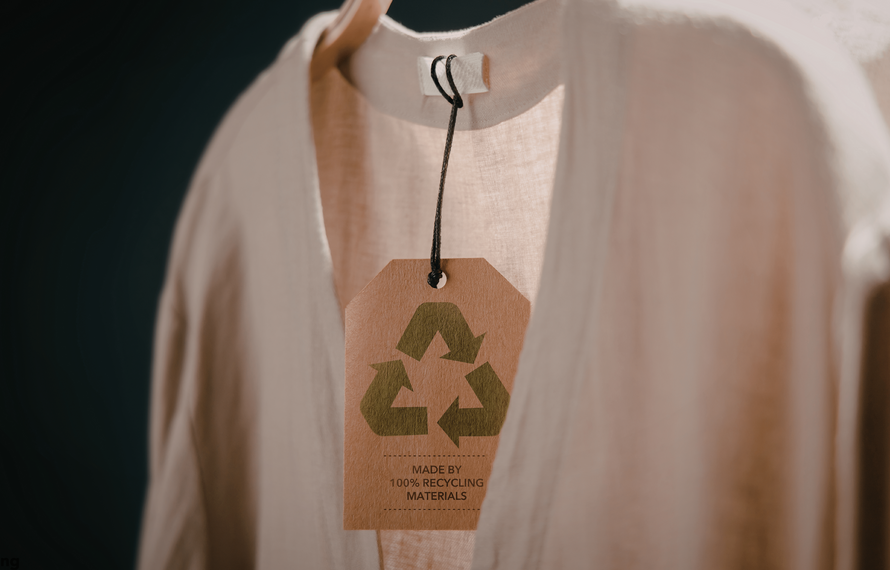
Anyone who takes a close look at various eco labels and digs into the background information will often feel misled. This is known as 'greenwashing': making customers believe a product or brand is green when it isn't. Because many terms are not legally protected, there is plenty of room for marketing spin rather than genuine sustainability.
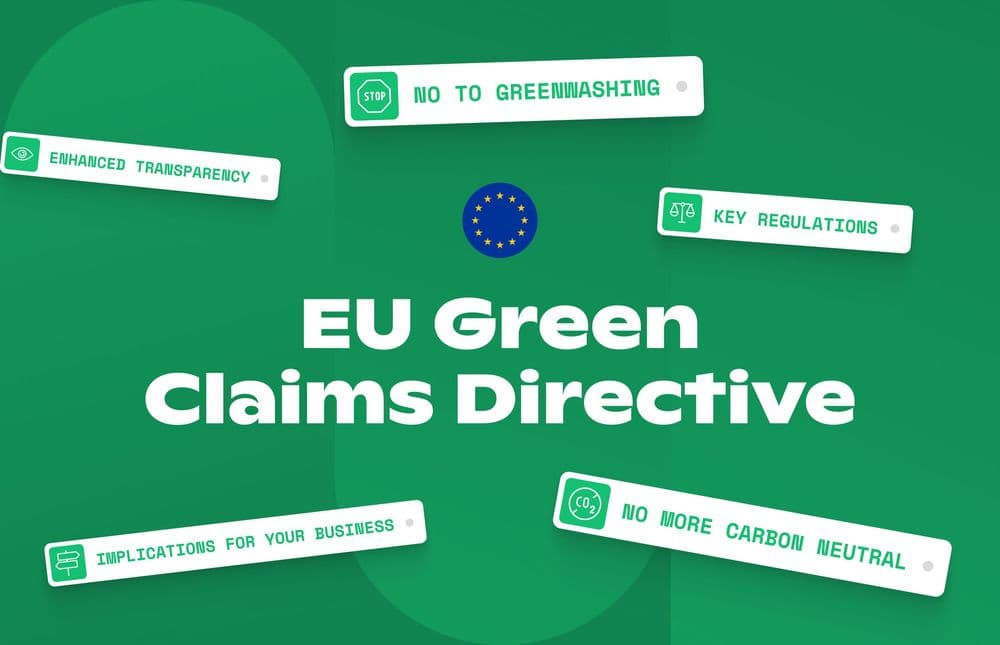
The EU is taking action against greenwashing
That's why we have official certification marks to help us make good, honest choices. In 2023, the European Commission took on 'greenwashing', partly by promoting its own EU Ecolabel. The EU is also working on stricter requirements to ensure claims are better substantiated.
Still, it's understandable if you sometimes can't see the wood for the trees: there are around 230 sustainability labels and 100 green energy labels in the EU alone. These labels all have different meanings and varying levels of transparency. Some focus on raw materials, for example, while others address working conditions or energy consumption.
Pitfalls when choosing 'natural' or 'sustainable'
Words like 'natural' feel safe. That's logical — we associate them with nature and a good choice for the planet. But in practice, it's not a protected term in many product categories. A product can consist largely of natural ingredients while still containing a few synthetic additives. Although this must be verifiable, there is still room for ambiguity.
Another example is 'sustainable'. A product may be labelled 'sustainable' if it demonstrably has less impact on people or the environment. The claim must also be specific and verifiable. But this does not mean the product delivers a net environmental benefit, or that it is CO₂-neutral: as long as there is some improvement, the word 'sustainable' can already be used.
How do you recognise genuine sustainability?
The good news: as a consumer, there are several clear signals you can look out for when making more conscious choices. Here are 3 practical guidelines:
Look for recognised certifications
Real sustainability is verified by independent bodies. Examples include:
- EU Ecolabel. A European quality mark for environmentally friendly products.
- COSMOS Organic/Natural. A rigorous standard for natural cosmetics.
- Ecocert. Checks ingredients, production, and origin.
- Fairtrade. Focused on fair trade, often with environmental standards too.
A genuine certificate can always be verified. A logo without explanation is less meaningful. More information about eco labels relevant to Grace is Green products can be found here.
Check the ingredients list
The ingredients list often tells you more than the packaging does. Take a moment to go through long lists of unspecified or unclear synthetic names. 'Parfum' or 'fragrance' without further explanation is often a red flag.
Look for transparency
Truly sustainable brands are open about what they do — and about what could still be better. They have a story: not just about themselves, but also about their ingredients, products, and ambitions. Take Sol de Ibiza: a sunscreen brand born out of founder Alessandro's concerns about the water quality of his home island. That's a brand with an honest, clear, and transparent story.

Decide what matters to you
It's not only important to check whether labels are reliable — it also matters what they mean to you. Different labels cover different things: some relate to CO₂ emissions or sustainable production, while others guarantee that a product's composition is suitable for sensitive skin.
Making a conscious choice therefore starts not just with recognising labels, but with knowing what you personally value. That makes choosing sustainably not only easier, but also more personal and more meaningful.
How we approach eco labels at Grace is Green
At Grace is Green, we believe in transparent sustainability. Before partnering with a brand, we take a close look at their values, production, and story. This is how we try to navigate the maze of eco labels and marketing terms thoughtfully.
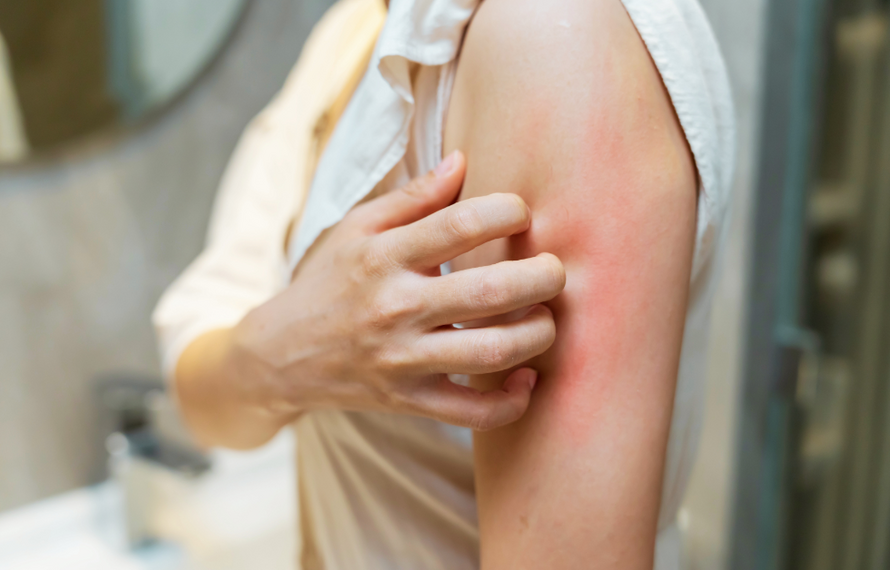
We rely on well-established, substantiated certification marks — covering areas like sustainability, such as Ecocert, but also labels that contribute to a better world in other ways, such as AllergyCertified (helps avoid skin allergies) and Vegan Action (guarantees the absence of animal ingredients and by-products).
The tangle of eco labels and claims like 'natural' and 'sustainable' can make it hard to separate fact from fiction. Certifications, ingredient lists, and transparency can help. The stories behind Grace is Green's products and brands offer a great behind-the-scenes look. Take a browse through our certified range.
Sources: ISO 14021:2016; European Commission, 'Green Claims'; ecolabelindex.com; BEUC; European Commission, 'EU Ecolabel.'