




What happens to your shampoo bottle after you throw it away?
You squeeze out the last drop, put the cap back on and toss the plastic bottle into the orange bin. Done. Well, done? Because what happens next is a lot more interesting than most people think. And it also depends quite a bit on what exactly you're throwing away.
While in previous blogs we paid plenty of attention to the production of products, this blog follows the life of your shampoo bottle after you've thrown it away. In doing so, we show how recycling works, how you can save plastic and what the best environmentally conscious options are within our care range.
Finally, we take a glimpse into the future. What are sustainable alternatives to plastic shampoo bottles? And if your favourite happens to come in plastic packaging, how can you reduce its negative environmental impact?
First: how much plastic is there actually?
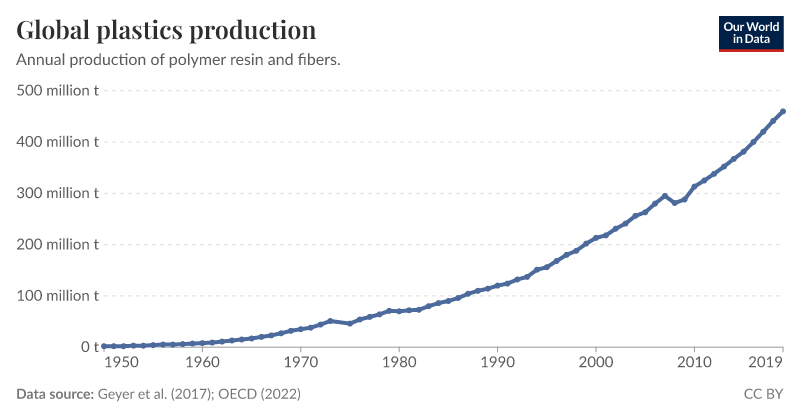
In 2024, more than 430 billion kilos of new plastic were still produced worldwide. That's roughly equal to one large blue whale per inhabitant of the Earth. About 12% of this consists of HDPE or PMD plastic. These two types are used for their strength and relatively low cost. PMD stands for Plastic, Metal and Drink cartons. You'll find it in pipes, detergent bottles and probably in your shampoo bottle too.
A lot of crude oil is needed to make plastic. 10% of the world's oil supply goes towards producing plastic. Crude oil is a finite resource: once used, it's gone. Its extraction and processing also bring CO2 emissions with them, long before your shampoo bottle even reaches the shop shelf.
Still, many people continue to use plastic. This is because plastic isn't inherently a bad material. It's light, strong, hygienic and relatively cheap to transport. For many applications, for instance in the medical sector, the food industry and transport, there's also no good alternative yet. That's where recycling comes in. This way, 'thrown away' doesn't have to mean 'lost'.
Step 1: Collection
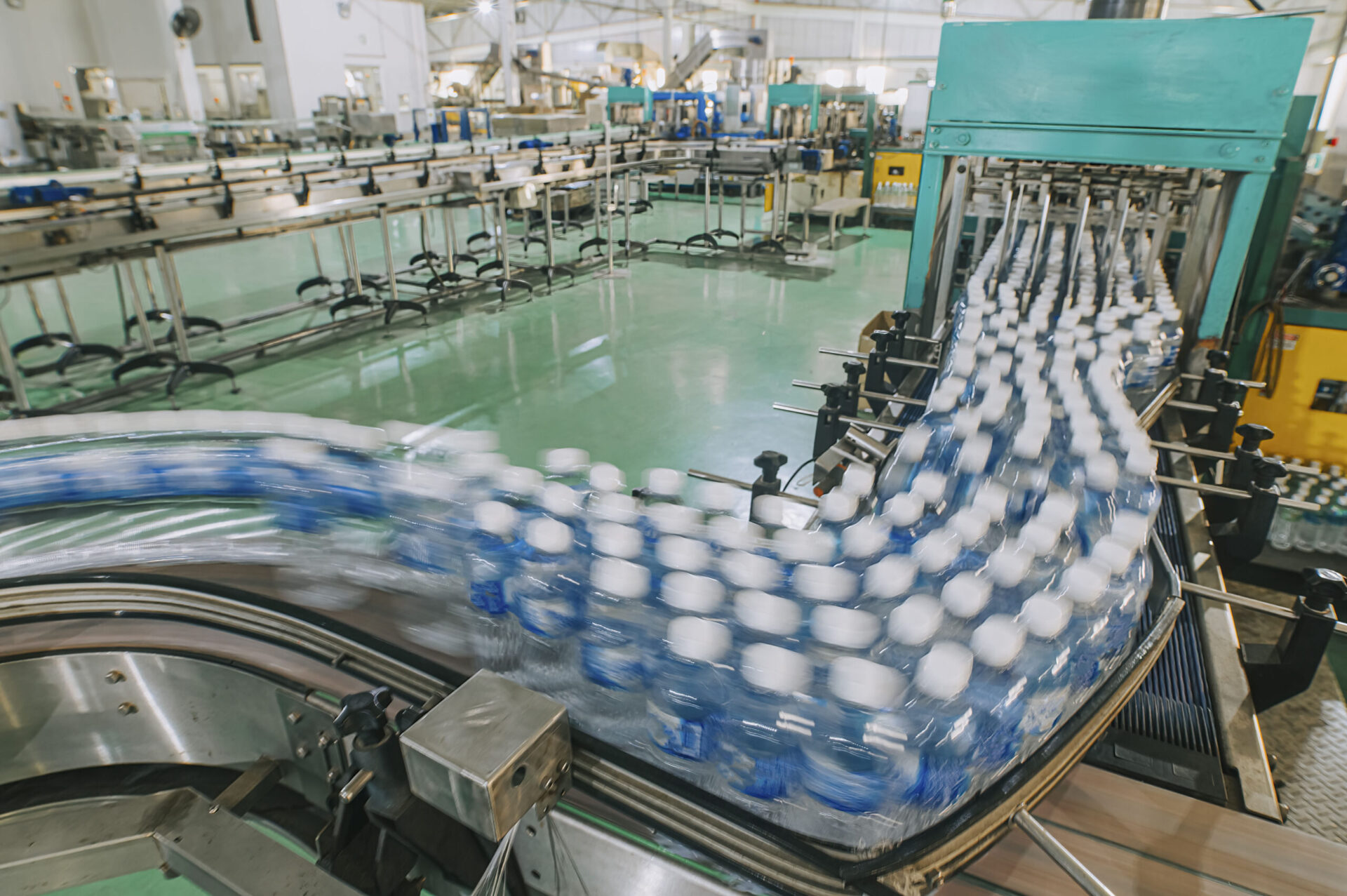
Collection nowadays goes hand in hand with carefully separating waste. But this differs per country and even per city: in Amsterdam, for example, waste isn't separated. There, the real separating only happens in industrial sorting facilities. In these facilities, everything is kept apart by type, shredded and processed into granulate. Film, plastic and metal are separated from one another this way.
This isn't always easy. There's also a difference between hard and soft plastic. For hard plastic, think of garden chairs and children's toys. This isn't allowed in the plastic waste bin, but has to go to the recycling centre. For soft plastic, you can think of food packaging, drink cartons or shampoo bottles, for example.
For us as consumers too, the distinction between waste types isn't always easy to make. That's why a checklist was developed. Does it meet all the requirements? Then go ahead and toss it in the plastic waste bin.
✔️ Is it packaging? ✔️ Is it empty? ✔️ Does it come from the kitchen or bathroom?
Step 2: Granulate
Granulate is created after you've shredded plastic. There are different types of granulate, which have been separated from one another by the waste processing facility. Granulate is essentially a new raw material, but fully circular. You can make all sorts of things from it: pens, watering cans, beer crates, sleeping bags and… shampoo bottles.
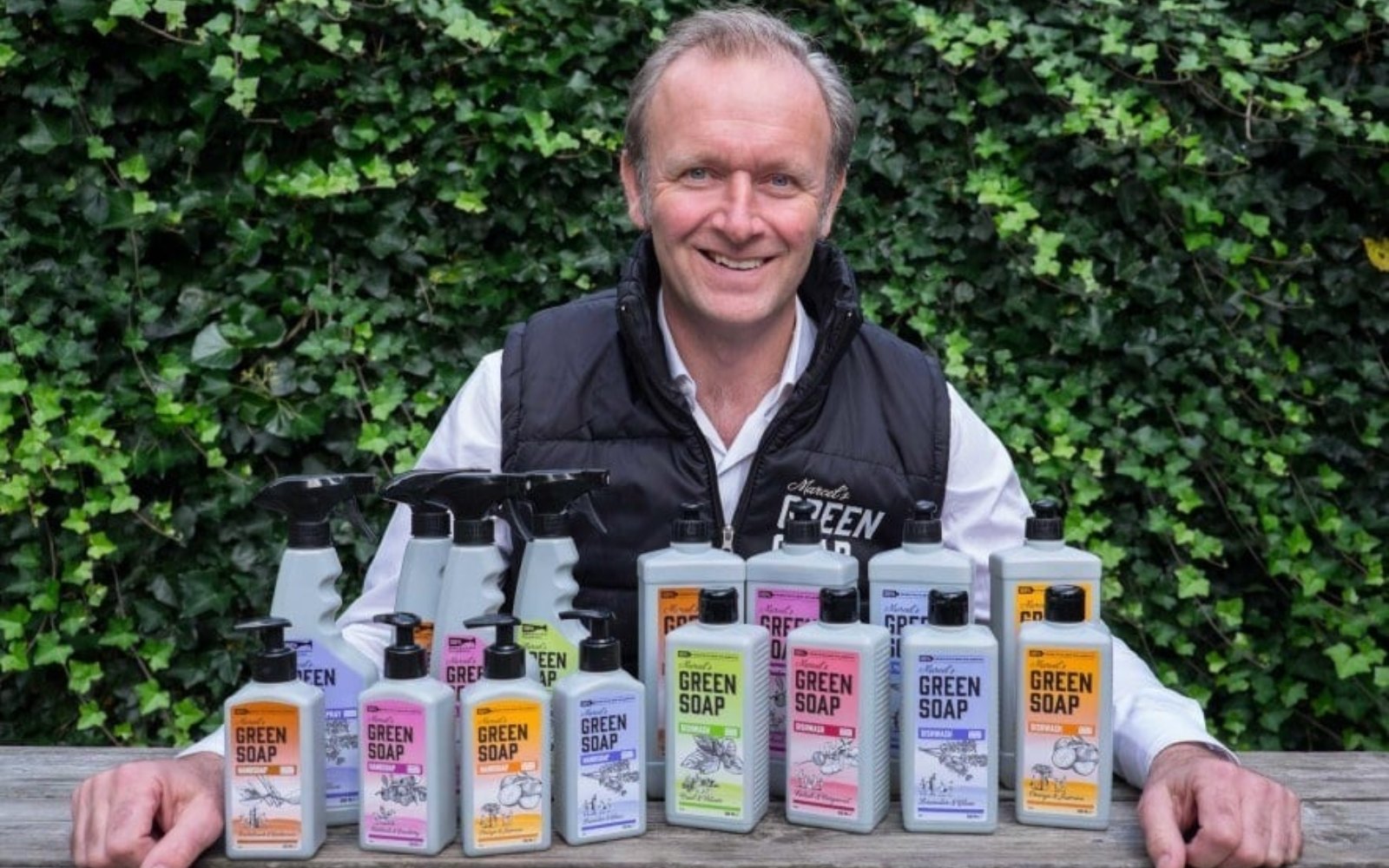
Marcel Belt, founder of Marcel's Green Soap, put it this way: "From recycled plastic you can actually make almost anything that's normally made from new plastic as well."

Step 3: New products
Next, big bags full of granulate are transported to factories that transform this into plastic products such as packaging material. At that point the granulate still looks white. When you heat it, the structure of the plastic changes. As the granulate is heated and melted into your plastic products, the white turns recognisably transparent.
After the granulate has melted into a hot, even mass, it's pressed. This substance is run over cold rollers, creating recognisable plastic film rolls. In film form, the plastic again travels to another factory, where it's moulded into a shape, for example that of a plastic tray. And there you have it: your new shampoo bottle!
The journey of a shampoo bar
A shampoo bar of course doesn't make the same journey as a plastic shampoo bottle. Take the Niyok Solid shampoo bar. It contains no (micro)plastics, parabens or silicones and is zero waste. Net, the environmental gain is twice the number of plastic bottles as the shampoo's holder.
To store your shampoo bar, you can choose from several environmentally friendly options. Go for the SOAPI magnetic soap holder, for example. You stick this to the wall. With a simple bottle cap embedded in your soap, you hang your soap up safely and dry. Another option is the Banbu cork storage box, fully recyclable and 100% biodegradable!
Discover our range of shampoo and conditioner
Working on recycled packaging
Switching to recycled plastic or biodegradable packaging isn't an easy step for any company. That's why many companies are now in transition. They're using more and more biological materials or working on techniques and processes that make the waste process more sustainable.
Think for instance of the Danish Derma. They're aiming for a 40% reduction by 2027 in the use of non-recyclable materials. They're currently experimenting with recyclable tubes and bottles. Overall, the goal is to have reduced packaging-related CO2 emissions by 30% per product by 2030.
Or take Moomin Baby. They already work with some biodegradable materials, such as cellulose. But because there's no biodegradable nappy on the market yet, it's difficult to offer one themselves at this stage. That's why they try to limit the surrounding factors, such as CO2 emissions and the transport of materials. The packaging is now made from 60% recycled plastic, which is reused again.

What can you do?
In the recycling process, it's ultimately not the waste services but ourselves who are up to bat. Rinse out packaging briefly before you throw it away. Throw the cap and bottle away together, and use the checklist if you're in doubt. That saves the sorting system an enormous amount of energy.
Also try to use products with recycled plastic or a biodegradable alternative as much as possible. Recycled plastic is often slightly discoloured, but this absolutely doesn't detract from the quality or hygiene. So you can use it without any worries! And if you're considering switching to a shampoo bar: give it a try and see if it suits you.
Sources: HVC Groep | How they do it | Milieuservice Nederland | Matric BCG | Dermapharm | Moomin Baby |
Images: Plastic pellets | Our World in Data | Greenpeace UK | Marcel's Green Soap | Dermapharm