




The days are getting shorter and colder; the blankets are coming back out of the cupboard, and the heating can slowly be turned on again. Nothing makes these dark days cosier than tea lights. You come home from work, heat your dinner, and make yourself a lovely cup of tea. That’s when tea lights create exactly the warm atmosphere you need.
This blog takes a closer look at the tea lights you can buy in different places. What exactly are you burning when you light a tea light, which substances are released into the air, and does it really matter which tea light you choose? Find out in this new blog from Grace is Green.
Where does paraffin come from?
A candle consists of a wick, a cup and a fuel. In most candles, this fuel is made largely of paraffin. Paraffin is a by-product left over from refining crude oil. It’s odourless, tasteless and thick, which makes it ideal for producing candles.
Another raw material often used as candle fuel is stearin. It has similarly useful properties, but it’s firmer than paraffin and helps candles burn longer and more evenly. However, stearin is made from animal fats or palm oil. That doesn’t make it a sustainable material: it isn’t vegan and in many cases it damages ecosystems.
What is released when a candle burns?
You probably associate a burning candle with the familiar cosiness from the start of this article. That’s completely understandable. But a candle is essentially a small combustion, which means certain substances are released. Across different studies, researchers keep measuring the same ones: particulate matter, carbon monoxide, volatile organic compounds and sometimes hydrocarbons.
Don’t worry: it helps to put these findings in perspective. These aren’t substances with a positive reputation, but they’re also released in your home during plenty of other household activities, such as cooking.
Candles that use paraffin as fuel get the most criticism. In 2009, researchers showed that paraffin candles release more harmful amounts of substances than plant-based candles. That study did receive a lot of criticism, partly because the researchers assumed in their experiments that the candles were lit regularly. Lighting a candle now and then probably won’t do any harm.
Plant-based wax: cleaner, but not clean
If paraffin gets the criticism, plant-based wax seems the obvious alternative. And there’s something to be said for it: plant-based wax is a renewable raw material that doesn’t come from crude oil. But being plant-based doesn’t automatically make it perfect. A candle made from soy or rapeseed wax still involves combustion, which releases particulate matter.
The difference lies mainly in the raw material and what happens before it becomes a candle. Here’s how that works.
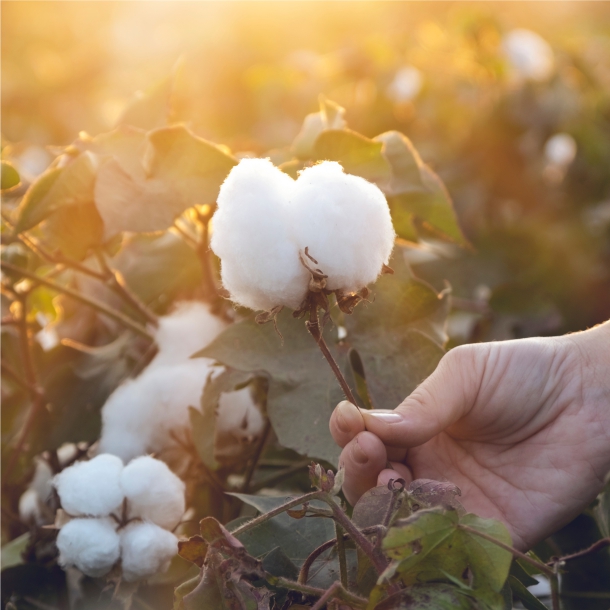
Soy, rapeseed, palm or beeswax: each has its own story
Soy is mainly grown in the United States, Brazil and Argentina. Rapeseed simply grows in Europe, which keeps the distance from field to candle short. Palm is cheap, but in many regions it leads to devastating deforestation. Beeswax is a centuries-old material. However, it isn’t vegan and its availability is limited, so products containing it are often more expensive.
“Plant-based wax” is often an umbrella term for several types of wax. You frequently have to dig deeper to find out the exact composition. C-Lights makes its wax without animal fats (fully vegan), from responsibly sourced soy, rapeseed and other crops.
Wick and scent: small parts, big difference
Two things about tea lights that are often overlooked are the wick and the scent. Cotton or paper are common choices for the wick. What matters more is how you treat it: a short wick burns more calmly and produces less soot than one that’s too long. A candle’s scent can release additional substances if it comes from added perfume. This is separate from the composition of the wax.
The wick and scent are small parts with a noticeable effect, and C-Lights has thought about both carefully. The tea lights have an eco-cotton wick, a common and simple material. Keep it short and the tea light burns calmly with less soot. C-Lights are also unscented, so no extra substances are released from added fragrances.
The forgotten part: the cup
There’s plenty of discussion about the wax in a tea light: what’s healthy, what might be dangerous, and so on. But we rarely talk about the little holder, the cup. A regular tea light comes in an aluminium cup. So if you buy a bag of fifty, you’re also throwing away fifty cups.
Aluminium is made from bauxite through an energy-intensive production process. Recycling is far more efficient, but the cups often don’t end up in the right waste stream. Reason enough to look at the cup, too, when choosing a tea light.
C-Lights cups are made from sustainable, plant-based materials instead of aluminium. So don’t put them in the plastic recycling bin, but with your general waste. They can then be processed in industrial composting. Check with your local council where products with composting certification 7P2159 are best disposed of.
How to burn candles with as little pollution as possible
Apart from the materials and composition of the tea light, there are a few simple habits you can adopt as a consumer to burn your tea lights as safely and sustainably as possible:
- Keep the wick short. That means less soot.
- Keep your candle out of draughts. A flickering flame burns less cleanly.
- Ventilate after burning. An open window brings in fresh air.
- Avoid burning candles for hours in a small room. Give the space some fresh air in between.
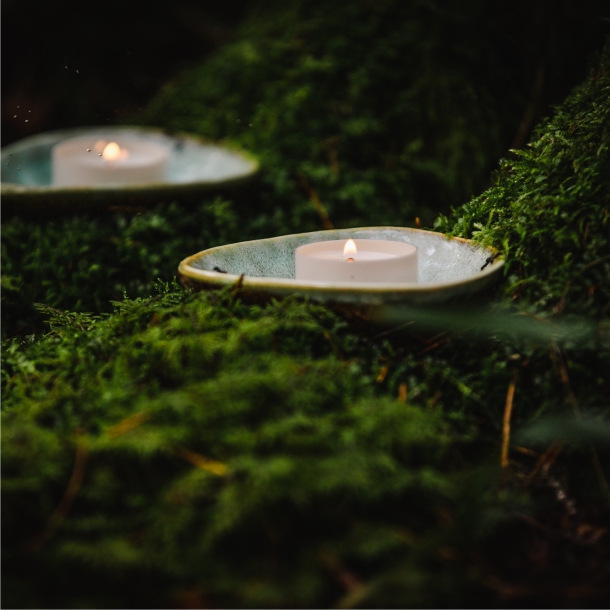
What a conscious choice takes into account
So what are we left with when we put it all together? Paraffin is a fossil fuel, while plant-based wax is made from sustainable, renewable materials. In both cases, a little particulate matter is released. A perfect candle doesn’t exist, but a conscious choice does.
That conscious choice takes at least five things into account: the wax, its origin, the wick, what you throw away, and how you use the tea light.
C-Lights do things differently from regular tea lights on all five points. They’re made from 100% plant-based wax, with an eco-cotton wick and a cup made from plant-based material instead of aluminium.
Curious? Check out C-Lights here on our website.
Sources:
- KRO-NCRV | Keuringsdienst van Waarde - Kaarsen: Paraffine, stearine, dierlijk vet
- Cleveland Clinic: Are Candles Bad for You?
- Light Up Sustainably: A Guide to Eco-Friendly Tea Light Candle Holders – VAUCLUSE
- Sustainable Candles | Rethinking Candles for a Healthier Home