



Recycling, upcycling and downcycling are three approaches aimed at reducing waste and conserving resources.
Upcycling meaning
What is upcycling? Upcycling is the process of transforming waste or unwanted products into new products of high quality or value. Upcycling involves reusing old products or waste, such as textiles, old furniture, clothing, and electronic devices, through creativity and innovative approaches. Upcycling meaning? In summary, you could say it is an eco-friendly, sustainable approach to reducing waste. For instance, there are even skincare products that make clever use of leftover coffee grounds from large restaurants, or the leftover pits of red berries after they have been juiced.

Upcycling not only helps to reduce waste. It also reduces the demand for new materials and products. Thus, upcycling also offers an opportunity for creative expression and can be a fun and rewarding hobby.
Grace is Green is happy to support brands that specialize in the meaning of upcycling. Such as Upcircle. This is an innovative company dedicated to sustainable beauty products, where they reuse residual ingredients from other sectors and transform them into high-quality, vegan skincare products within a circular economy.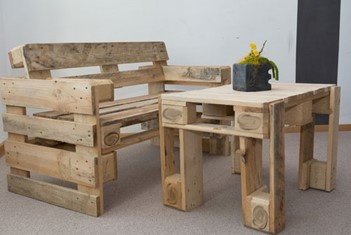
What is Recycling?
Recycling is the process of collecting, separating, and processing waste into new products. The recycling process consists of breaking down waste materials into raw components, such as plastic, glass, metal, and paper, to then convert them into new products. Recycling helps to reduce the waste that ends up in landfills and to conserve natural resources. For example, at Grace is Green, you will find the Soapi magnetic soap holder. This is made from plastic fishing nets and keeps every soap bar hygienic, dry, and in its place in your bathroom.
The benefits of recycling
- Reduces greenhouse gas emissions
- Conserves natural resources
- Saves energy
Fun fact: The Netherlands is the EU country that has recycled the most plastic packaging waste!
What is downcycling and the difference from upcycling? Upcycling downcycling explained
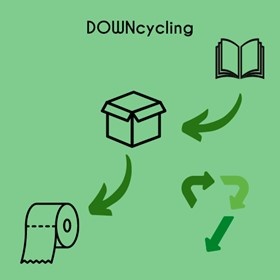
Downcycling is the opposite of upcycling in terms of value. With downcycling, waste materials are converted into new products of lower quality or lower value than the original product. Melting or granulating materials contributes to lower product quality. However, throwing things away is also a waste. This residual material is neatly used to be useful in products, albeit of a somewhat lower quality. Downcycling is often seen as a last resort in the waste management hierarchy. It is usually used for materials that cannot be recycled or upcycled, such as plastic bags and single-use packaging.
How is the upcycling meaning different from that of recycling?
Recycling is a habit. A behavior we teach ourselves to recycle used products. You can do this by separating waste, by composting yourself, by having your clothes repaired or donated to an Emmaus Foundation or thrift store. Deposit bottles and cans are also a form of recycling. The upcycling meaning is gaining popularity as a creative and sustainable approach to waste reduction. Downcycling, on the other hand, is a last resort for materials that cannot be recycled or upcycled.
At Grace is Green, sustainability comes first. We like products that can be reused even more than disposable items made from recycled material. Products that even add something to the earth, that is our ideal for the long term. Every step is valuable. That is why our collection consists of truly sustainable products across the entire supply chain. Always sustainably tested.
Now you know the meaning of upcycling and know that recycling, upcycling, and downcycling are three different ways to contribute to a better & eco-friendly world. It is crucial to research and apply sustainable waste management to protect our planet and ensure a sustainable future.
Curious about a brand that practices upcycling? Upcircle beauty products! They give upcycling meaning with their natural beauty products, made from, among other things, coffee grounds, blueberries, and apricot powder. Discover the blog about natural skin care routine if you want to know more, with the best tips for natural beauty.