




Together against waste! The zero-waste week
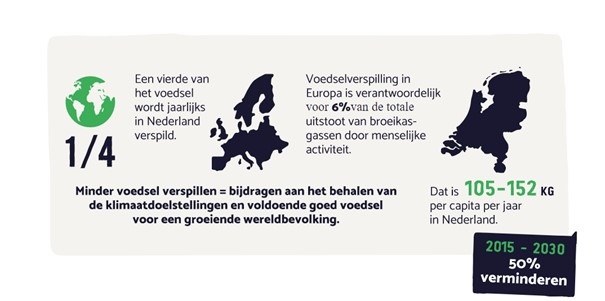
Did you know that a quarter of all food in the Netherlands is wasted? Food that isn't even eaten contributes to 6% of total European CO2 emissions. In the Netherlands, we throw away an average of 105 to 152 kilograms of food per person per year, which is, of course, a great shame. During the zero-waste week, we do our best to reduce this. The goal is to halve food waste by 2030, making us one of the first countries in Europe to do so. This increases the chance of reaching our climate goals and ensures more good food remains for the growing world population. In this blog, you can read what you can do to combat waste.
See what you have at home
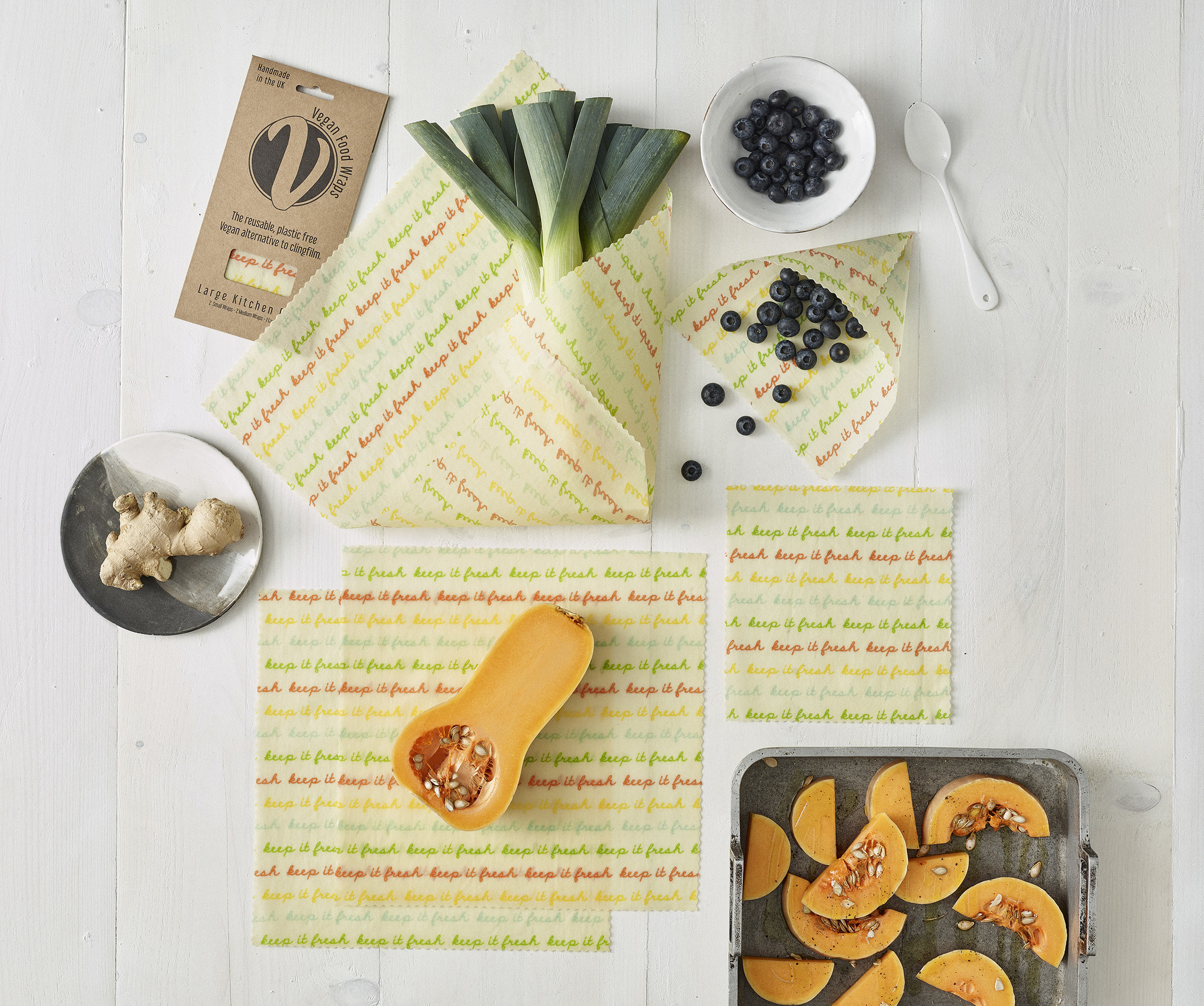
Before deciding what you are going to eat, first check what you still have at home. This is an easy tip, but many people only realize after returning from the supermarket that there are still plenty of delicious ingredients from yesterday left in the fridge. After a few days, these products are no longer good and end up in the bin, even though you could easily enjoy a delicious, varied meal for a few days in a row using the same ingredients. Tip: if you want to be sure that your products are well-packed and will therefore last a long time, take a look at the food wraps in our webshop!
Make others happy with your leftovers
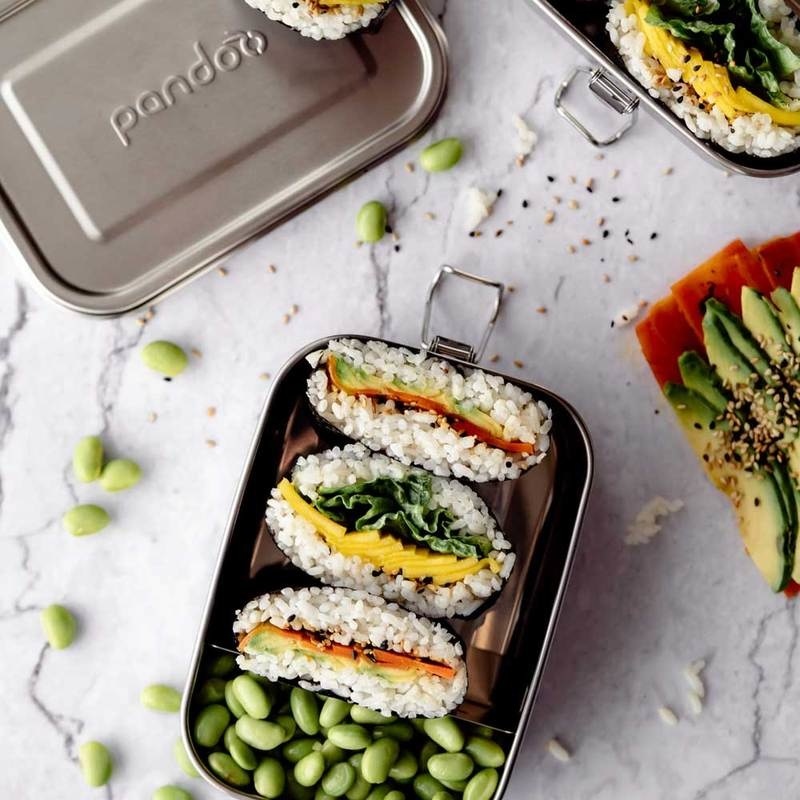
You know how it is: you’ve tried a delicious new recipe, but it turns out the quantities were estimated quite optimistically. Instead of freezing it for another time—which is, of course, also a very good option—you could also try to make someone else happy with your creation. There are more and more local groups, for example on Facebook, where people offer their leftover food. The website thuisgekookt.nl is also highly recommended to take a look at. People in need can respond to this and enjoy a tasty meal!
Handle shelf-life dates smartly
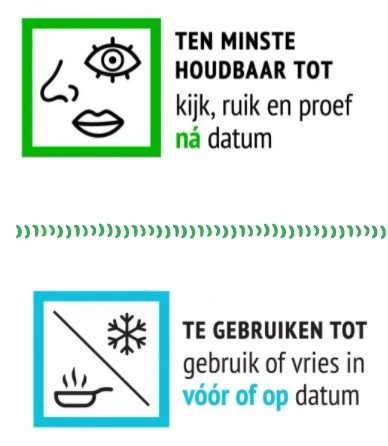
Nowadays, there are two possibilities for shelf-life dates on products. When it says use-by, for example on chicken breast or pre-cut vegetables, this means the product can be safely eaten or frozen until that date. Often, there is also storage instruction on the packaging, where you can see how best to store the product after opening it. Tip: Ensure you are safe by setting your fridge temperature to 4 °C.
For products that do not spoil quickly, the best-before (BBE) date is used. As the name suggests, these products are at least good until this date. After the BBE date, the quality of the product (taste, smell, or color) may decline. This does not mean it is no longer safe to eat. After the BBE date, it is therefore important to look, smell, and taste well to assess whether the product is still usable.
All the tips above can be used to make a good start in making the Netherlands waste-free. The most important thing, of course, is that you think carefully about how you handle your food. For more advice, you can take a look at the Samen Tegen Voedselverspilling (Together Against Food Waste) website. Do you have any useful tips yourself to combat waste? Let us know on our Facebook or Instagram!