




Do you also want to make sure all ingredients in your fridge get used? And are you looking for a way to combat food waste? Take a look at this blog! In the Netherlands, we waste an average of about 33kg of food per person per year! By being more conscious about our food, we not only save money but also help the environment by reducing food waste. That is another step in the right direction and towards an even more sustainable lifestyle! Here are a few simple tips to prevent food waste, plus products that make it even easier to store food for longer!
In 2019, the plan to live a more environmentally friendly lifestyle grew from 7 to 12%. In 2020, as many as 72% of the Dutch indicated that they plan to reduce their single-use plastic waste. Will reducing food waste be your new resolution? These practical tips make it easy for you.
7 Easy ways to combat food waste
1. Plan Your Meals
Combating food waste starts with shopping. Often we buy just a little too much, or something we actually still had at home. By shopping for what you need for that week, you can reduce food waste as much as possible.
- Check your fridge to see which products are left and which meals in the coming days you can use them for.
- Plan your meals for the week and make a weekly list of what you need for them.
- It can also help to briefly take stock of which shelf-stable products, like flour, sugar, or spices, you still have at home. This ensures you don't buy a new pack because you're unsure if you already have it.
Do you find it difficult to plan exactly what you're going to eat and when in advance? Or does the week not always go as you want? You could, for example, also make a list of meals you enjoy and then shuffle them around during the week as to when you eat them. As long as the fresh products are used at the right time, you are still combating food waste and can decide what you feel like having a bit more on the spot. Food Huggers are handy for keeping leftovers fresh! Halved tomatoes or avocados fit perfectly in these convenient silicone savers. Or opt for the eco-friendly alternative to cling film with these beeswax wraps. This prevents remaining vegetables from contributing to food waste and keeps them nice and fresh for when you need them.
Combat food waste with our Foodhuggers >
Combat food waste with Beeswax wraps >

2. Apps and websites that help with meal planning
Running out of inspiration? Nowadays there are plenty of websites and apps that help you come up with dishes using the ingredients you have at home, helping us create less food waste! Or they offer suggestions for a weekly menu with recipes you might not have thought of yourself. Such as:
- Supercook (app and website): stop food waste with supercook! Choose the ingredients you have at home and the type of dish you want to make, such as breakfast, lunch, or dinner. Supercook then gives you recipes in order of recipes for which you have everything in stock, increasing to recipes for which you still need to buy one or more things.
- Tasty (app): another app that helps you come up with dishes using ingredients you already have at home. Includes handy step-by-step video instructions for most dishes. This makes combating food waste as easy as possible.
- Apps and websites of Dutch supermarkets: most supermarkets now also have handy online features such as "weekly menu" (Jumbo), where they suggest dishes for a whole week, or where you can enter products you still have to get specific recipes and shopping lists (Albert Heijn). This ensures that you are certain the products you are looking for are available at your supermarket.
3. Choose Local and Seasonal Products
By choosing local and seasonal products, you extend the shelf life of fresh ingredients and reduce your ecological footprint. Seasonal products generally last longer, and you support local farmers and producers, which helps prevent food waste. Not sure what is in season? Check out the website of the Dutch Nutrition Centre (Voedingscentrum) where you can see which fruit and vegetables are in season for each month.
Combat food waste with local and seasonal products – Voedingscentrum >
4. A "use-first" shelf
Do you prefer not to plan your weekly menu, but want to keep an overview of which ingredients are nearing their shelf life? A "use-first" shelf in your fridge and kitchen cupboard prevents food waste by keeping products that need to be used quickly separate. This way, you can see at a glance which products need to be used soonest. This can also help you plan your weekly menu or, for example, serve as inspiration for a tasty snack or dessert. To ensure products don't spoil quickly, make sure you store them the right way!
- With the Wrappies by Wrap Up, you keep bread and baked goods fresh for longer and prevent them from drying out too quickly. With their colourful breathable exterior and specially designed Fresh-Up membrane on the inside, the Wrappie extends the shelf life of your baked goods, prevents mould formation, and prevents drying out!
- Use containers and jars with lids to store ingredients in a sealed way. Like this beautiful jar with a lid by Chic mic.
If we store products properly and use what needs to be used first, you prevent food waste and contribute to a more sustainable household.
Combat food waste with Wrappies >
Combat food waste with Chic Mic >


5. Know the difference between Use-By and Best-Before dates
Did you know it is not always necessary to throw away food after the expiration date? Understand the difference between "Use-by" (TGT) and "Best-before" (THT). Use-by means the product may no longer be safe to eat after this date, while Best-before products are often still perfectly fine to use. Read more about this difference on this informative page from the Voedingscentrum to further prevent food waste.
Combat food waste with Use-by and Best-before – Voedingscentrum >
6. Make good use of leftovers!
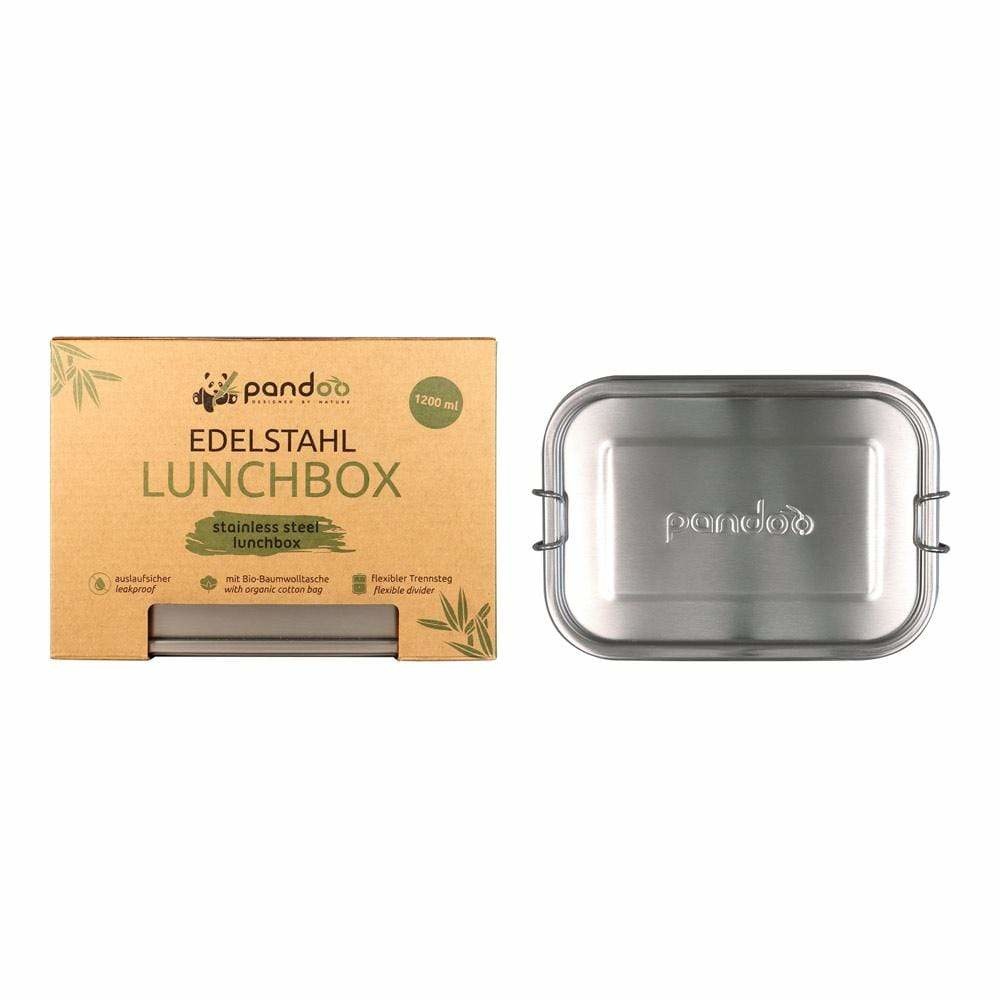
To be able to use up leftovers later, it's handy to store them sealed and potentially label them with the date. This way, we ensure they don't end up in the bin later, and we combat food waste. Do you find it hard to consistently get around to your leftovers? Introduce a regular "leftover day"! Or take your leftovers to work for lunch! Choose, for example, a stylish stainless steel container to store your leftovers in.
Combat food waste with the stainless steel lunchbox from Pandoo >
Not in the mood to eat the same thing every day? Many leftovers also lend themselves to a new dish. Your leftover boiled potatoes can easily be roasted in the oven or refried in the pan. Do you also have some vegetables? These go perfectly with your potatoes in a delicious traybake! While leftover sauces, such as pasta sauce, are easy to stir into a soup. Wraps are also ideal candidates to combat food waste. Yesterday's leftover salad gets a delicious upgrade in a wrap with some extra toppings.
Take a look at this autumnal traybake with seasonal pumpkin and carrot! >
7. Composting food scraps
Sometimes something is left over anyway. Use a compost heap or compostable bags to separate food scraps. Natura Packaging compostable bags are ideal for organic waste and can go on the compost heap. By composting organic waste, you give food scraps a second life, help reduce food waste, and contribute to better soil quality.
Combat food waste with the compostable organic waste bags from Natura Packaging >
How do you ensure less food waste?
Are you going to plan your menu this week? Will you introduce a "use-first" shelf in your fridge? Or are you going to try that tasty traybake? Whichever options you choose, start with the basics by storing your ingredients properly so they last as long as possible. Like the jars and bowls from Chic Mic for leftovers and Food Huggers for leftover vegetables. If you order them on working days before 16:00, you can pack tomorrow's leftovers in them immediately!